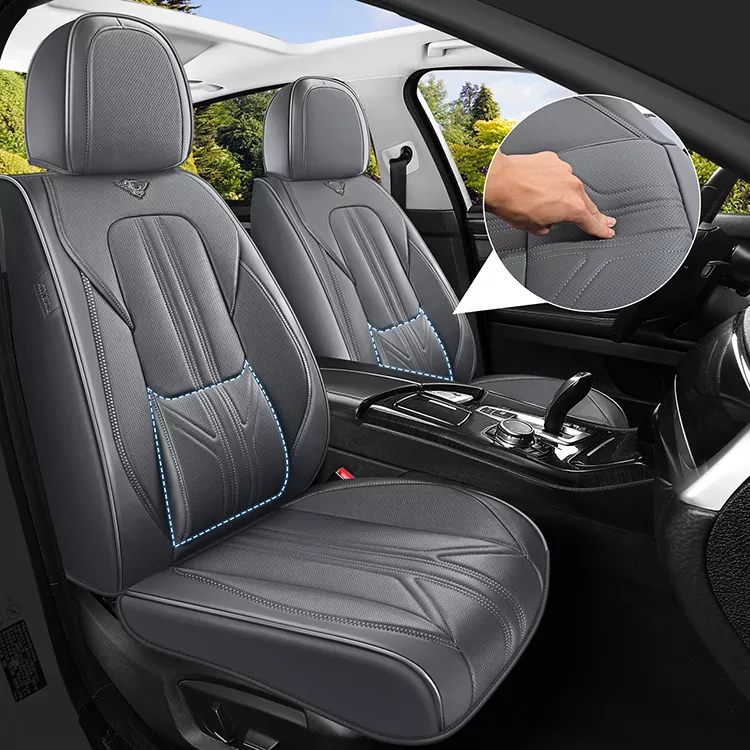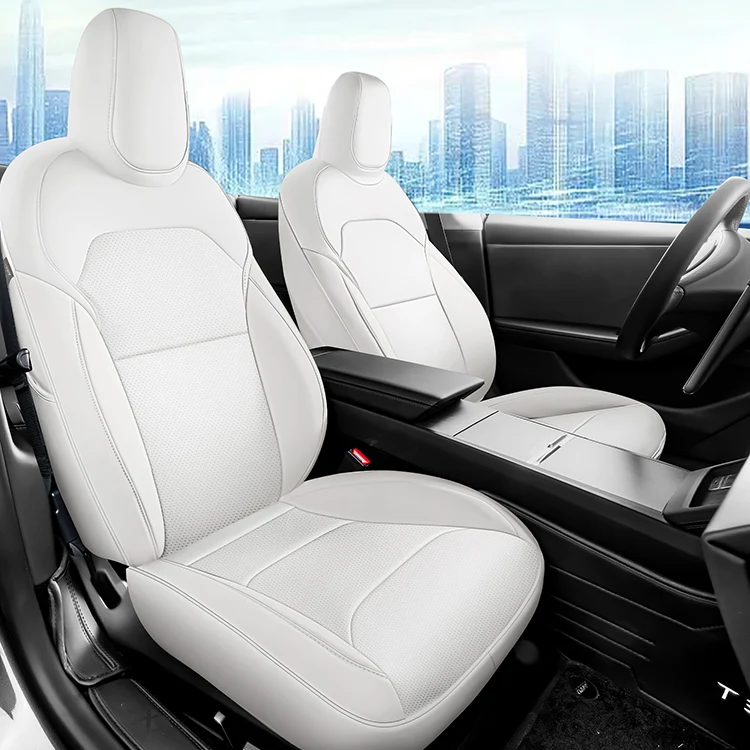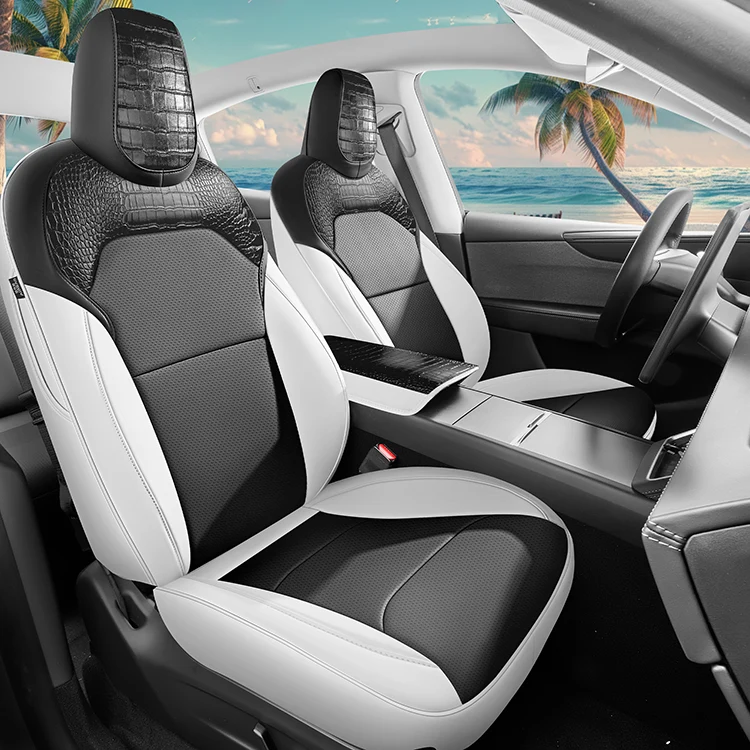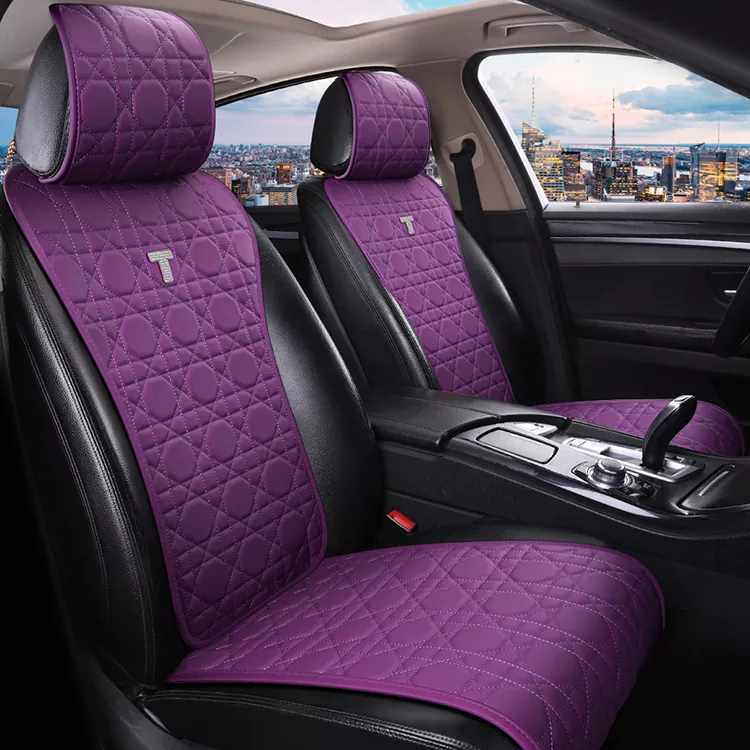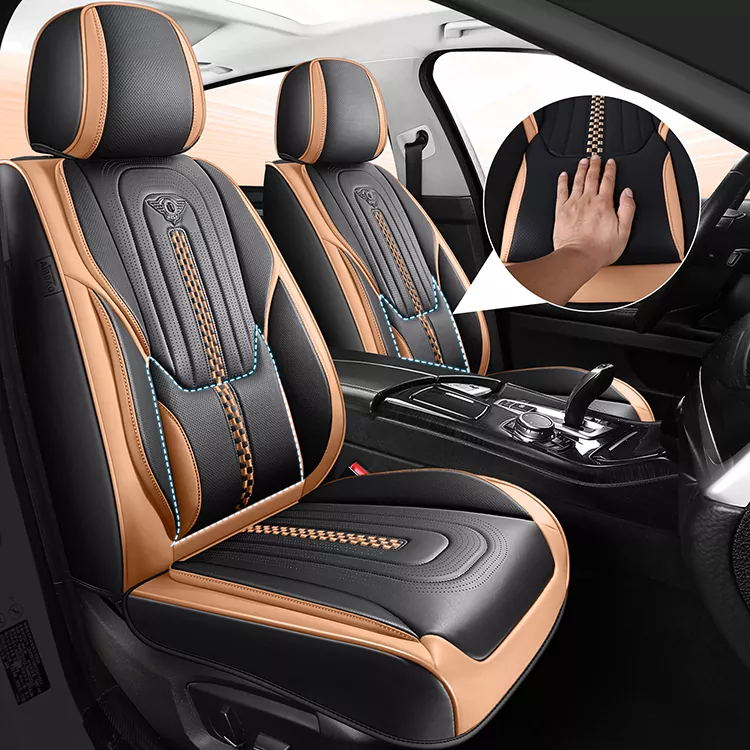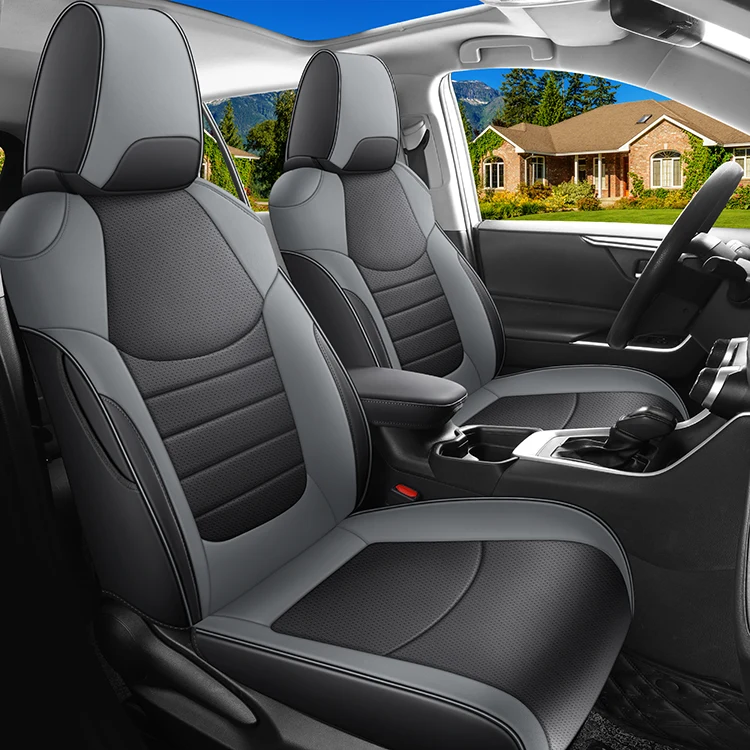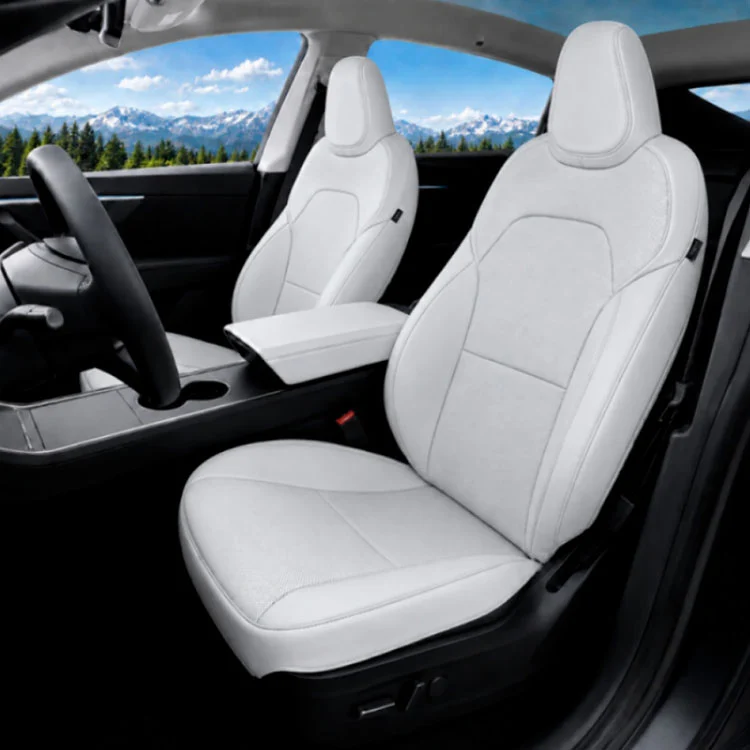
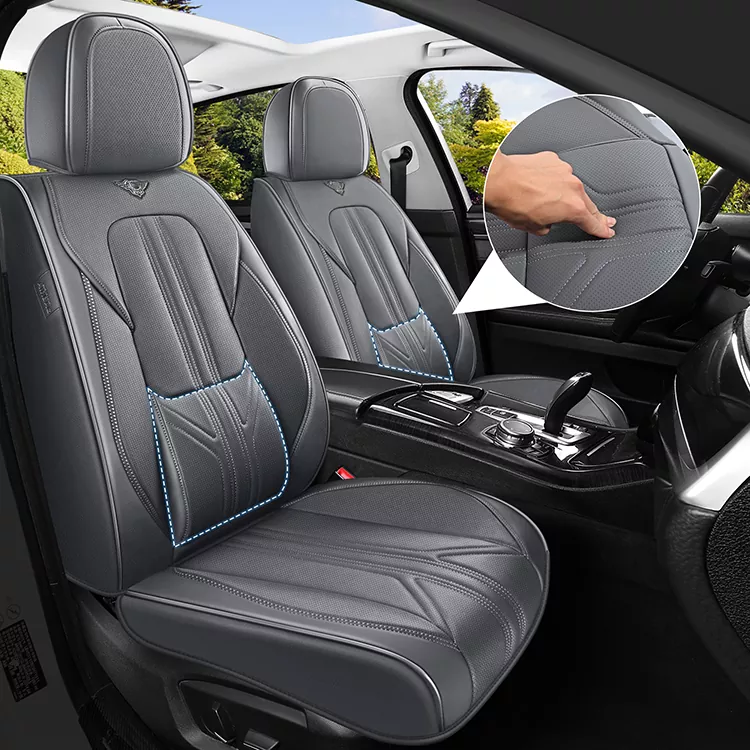
Red Rain provides Leather Car Seat Covers with Lumbar Support for drivers and automotive accessory buyers seeking a balance of interior protection, ergonomic cushioning, and modern styling. By combining a leather-look exterior with a contoured support area, this type of seat cover can help refresh a vehicle's interior while making everyday journeys more comfortable. Understanding the materials, fitment requirements, and practical benefits is essential when choosing the right solution for private vehicles, dealerships, and automotive accessory distribution.
Automotive seat covers serve several purposes beyond decorating a vehicle cabin. They can help protect factory upholstery, improve the seating surface, and create a more personalized interior. Leather Car Seat Covers with Lumbar Support add another consideration: lower-back cushioning designed to support a more comfortable sitting position. This article examines how lumbar support works, which construction details matter, how leather-look materials compare with alternatives, and what buyers should evaluate before purchasing. It also covers installation, maintenance, product sourcing, and common questions to help consumers and commercial buyers make informed decisions.
1. How Can Seat Design Influence Driving Comfort?
2. What Makes Lumbar Support Different from Ordinary Seat Padding?
3. Which Materials and Construction Details Matter Most?
4. What Advantages Do Leather Car Seat Covers Offer?
5. How Do Different Seat Cover Materials Compare?
6. What Should You Check Before Buying?
7. How Do Fitment and Vehicle Safety Affect Your Choice?
8. How Can You Keep Seat Covers in Good Condition?
9. What Should Wholesale and OEM Buyers Consider?
10. Frequently Asked Questions
A comfortable driving experience depends on several factors, including seat shape, cushioning density, driving posture, and the distance between the driver and the steering wheel. Even a vehicle with a well-designed factory seat may not suit every driver's body shape or personal preferences. Over time, an uncomfortable seating position can make routine commuting feel less pleasant.
Seat covers offer a practical way to change the contact surface and appearance of an existing seat without replacing the entire seat assembly. Models with additional lumbar cushioning provide a more structured seating surface than a simple decorative cover.
When assessing driving comfort, consider the following elements:
Leather Car Seat Covers with Lumbar Support combine several of these considerations in one accessory. However, comfort remains subjective, so drivers should evaluate the actual fit and cushioning rather than relying on appearance alone.
Ordinary seat covers primarily add a protective or decorative layer over the original upholstery. Lumbar-support designs incorporate an additional shaped or cushioned area intended to support the lower back while the driver is seated.
The distinction lies in the distribution of padding. A flat cover may change the seat's surface feel, but a contoured lumbar section is designed to provide more targeted contact around the lower-back region. Its usefulness depends on whether the support area aligns with the individual's posture and the original seat geometry.
Drivers should also remember that lumbar cushioning is not a substitute for appropriate seat adjustment, regular breaks, or professional medical advice when persistent back discomfort is present. The goal of a seat cover is to improve the seating experience, not to diagnose or treat a medical condition.
The surface material determines much of a seat cover's appearance, cleaning requirements, and everyday feel. The underlying padding, backing, stitching, and fastening system are equally important because they influence the overall construction and how the cover fits the seat.
Faux leather is widely used in automotive accessories because it offers a leather-like appearance and can often be cleaned with a soft cloth. It is available in different textures, finishes, and colors, making it suitable for interiors ranging from understated to premium-inspired.
Not all faux leather materials perform identically. Buyers should confirm the composition, coating quality, flexibility, and recommended cleaning procedure before making a purchasing decision.
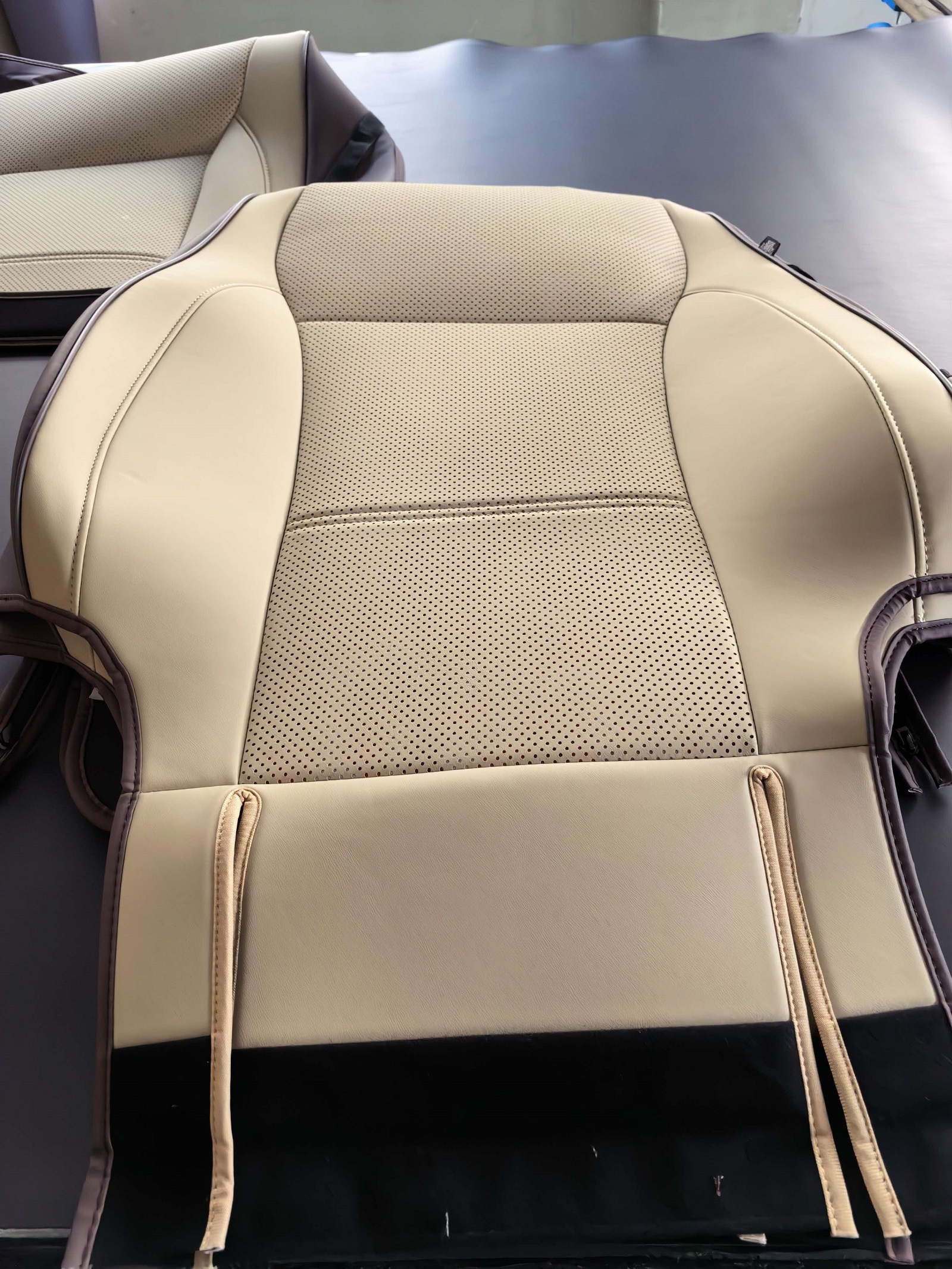
Multilayer construction can combine an outer surface, cushioning material, and a supporting backing. These layers contribute to the seat cover's feel and structure. Padding thickness alone does not determine comfort; density, resilience, contour, and overall fit also matter.
Consistent stitching helps maintain the shape of the cover, while a suitable fastening system reduces unwanted movement. Examine seams, attachment points, and areas that experience repeated friction, especially around the seat edges and cushion corners.
| Component | What to Evaluate | Why It Matters |
|---|---|---|
| Outer material | Texture, flexibility, finish, and cleaning requirements | Affects appearance and daily maintenance |
| Lumbar padding | Shape, firmness, and position | Influences seating comfort and support alignment |
| Backing layer | Construction, stability, and flexibility | Contributes to fit and overall structure |
| Stitching | Seam consistency and reinforcement | Helps maintain structural integrity during use |
| Fasteners | Attachment method and compatibility | Helps keep the cover correctly positioned |
Evaluating the entire construction is more useful than choosing a product based solely on its color or surface finish. A well-matched combination of materials and design can make the accessory more practical over time.
Leather Car Seat Covers with Lumbar Support appeal to buyers who want to improve cabin appearance while adding functional value. Their benefits depend on the product specification, vehicle compatibility, and the way the covers are used.
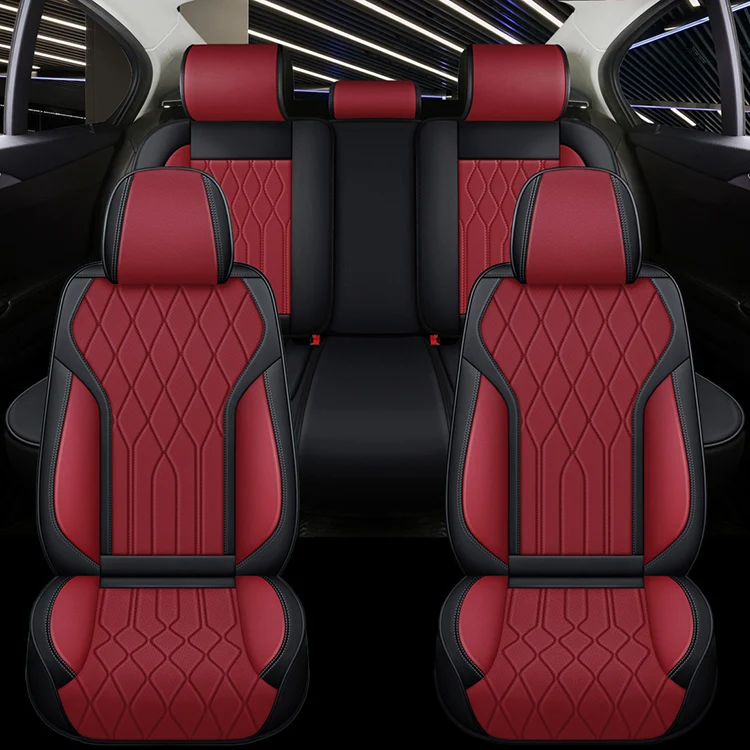
A coordinated leather-look surface can create a more unified appearance across the front and rear seating areas. Buyers can select a design that complements the dashboard, door panels, and other interior finishes.
Seat covers can help shield original upholstery from everyday friction, dust, crumbs, and minor spills. This is especially useful in family vehicles, commuter cars, and vehicles that experience frequent passenger turnover. Protection depends on the cover's coverage and construction, and spills should still be cleaned promptly.
The integrated lumbar area provides additional padding where the lower back contacts the seat. For drivers whose existing seats lack a suitable contour, this feature may make the seating position feel more supportive.
Many faux leather surfaces can be wiped clean more easily than absorbent fabrics. This can simplify the removal of everyday dust and light marks, although textured panels, seams, and stitching may need additional attention.
Replacing a complete seat assembly can involve greater expense and complexity than adding a compatible cover. Seat covers offer an alternative for buyers who want to change the cabin's appearance without undertaking a major interior modification.
These benefits should be weighed against material quality, fit, local climate, and safety compatibility. A product that looks attractive but fits poorly may not provide the expected practical value.
The best seat cover material depends on how the vehicle is used, the desired appearance, and the level of maintenance the owner is willing to perform. Comparing common options helps buyers identify the most suitable balance.
| Material Type | Appearance and Feel | Maintenance Considerations | Common Buyer Priorities |
|---|---|---|---|
| Faux leather | Smooth or textured leather-like finish | Often convenient to wipe clean; requires compatible cleaning products | Interior styling and everyday practicality |
| Fabric | Wide range of textures and patterns | Spills may penetrate some fabrics; cleaning depends on fiber type | Textile feel and design variety |
| Neoprene | Flexible, often sport-oriented appearance | Care and moisture performance depend on construction | Selected active-use and outdoor applications |
| Genuine leather | Natural grain and premium character | May require material-specific conditioning and care | Natural material preference and luxury styling |
For buyers who prefer a leather-like finish with convenient routine cleaning, faux leather may be a suitable option. Those prioritizing textile breathability, a particular tactile feel, or natural leather may prefer another material.
Explore the Red Rain lumbar-support seat cover product to review the intended design, then confirm the available specifications and material details before ordering.
Choosing the right seat cover starts with the vehicle rather than the product photograph. A systematic review helps reduce fitment issues and ensures that the design suits the driver's requirements.
For businesses purchasing in volume, it is also useful to request samples and approve the material, color, stitching, and fit before confirming a large order. This provides a more reliable basis for quality evaluation than relying exclusively on catalog images.
Fitment is one of the most important factors when selecting automotive seat covers. A universal design may fit many vehicles, but seat shapes and equipment differ substantially between models. A cover that fits one vehicle correctly may not be suitable for another.
Before installation, identify side airbags, seatbelt buckles, headrests, electrical controls, armrests, and any other seat-mounted features. The cover must be compatible with the actual seat configuration.
Some front seats incorporate side airbags that deploy through designated areas. Only use covers specifically designed and verified for the relevant airbag-equipped seat. Never cover, obstruct, sew through, or modify an airbag deployment area unless the product's approved design and vehicle-specific instructions explicitly permit the installation.
Once installed, verify that the seat can move and adjust normally, the seatbelt can be fastened and released, and all essential controls remain accessible. Covers should not bunch up under the driver or shift into a position that affects vehicle operation.
Additional material layers may change how heat or airflow passes through a seat. Owners of vehicles with heated or ventilated seats should verify compatibility with the vehicle manufacturer or the seat-cover supplier before installation.
When compatibility is uncertain, do not assume that a universal label guarantees safe installation. Choose a verified solution that preserves the vehicle's intended safety functions.
Consistent maintenance can help preserve the appearance and usability of leather-look seat covers. The correct method depends on the specific surface material and the manufacturer's recommendations.
Regular inspection is particularly helpful for vehicles used daily or carrying passengers frequently. If the cover becomes loose, damaged, or incompatible with normal seat operation, correct the issue before continuing to use it.
For importers, distributors, automotive retailers, and private-label brands, Leather Car Seat Covers with Lumbar Support can be evaluated as part of a broader vehicle interior accessory range. Successful sourcing requires attention to specifications, repeatability, packaging, and communication with the manufacturer.
| Sourcing Factor | Questions to Ask the Supplier |
|---|---|
| Product specification | What materials, padding structure, dimensions, and configurations are available? |
| Quality control | How are material consistency, stitching, fastening, and finished products inspected? |
| Vehicle compatibility | Which vehicle types are supported, and what fitment information is required? |
| OEM and ODM services | Can the design, branding, colors, or packaging be customized? |
| Order requirements | What are the minimum order quantity, production lead time, and sample arrangements? |
| Shipping and documentation | What packaging, labeling, export documentation, and delivery terms are available? |
Clear specifications help buyers compare quotations fairly and establish realistic expectations for product quality. Samples and written approvals are particularly valuable when ordering customized products or developing a private-label collection.
Red Rain serves automotive accessory buyers looking for seat cover solutions and related interior products. Businesses can browse the Red Rain website to explore its product range and contact the supplier about current specifications, customization possibilities, and purchasing requirements.
They combine a leather-look seat-cover surface with additional lower-back cushioning. Their purpose is to help refresh the vehicle interior, protect the original upholstery, and provide a more supportive seating feel.
No. Fit depends on seat dimensions, headrest design, airbags, armrests, and other vehicle-specific features. Confirm compatibility using the vehicle's make, model, year, and seat configuration before ordering.
Faux leather can be suitable for daily use because many versions offer a durable leather-like surface and convenient cleaning. Actual performance depends on the material formulation, construction quality, climate, and maintenance routine.
It may improve subjective comfort for some drivers by providing additional lower-back cushioning. Individual results vary, and appropriate seat adjustment and regular breaks remain important.
Start by removing loose debris, then wipe the surface with a soft cloth and a compatible cleaner. Follow the manufacturer's care instructions and avoid harsh chemicals or abrasive tools.
Only when the specific product is designed and verified for the relevant airbag-equipped seat. Check the manufacturer's compatibility instructions and never obstruct or modify an airbag deployment area.
Customization possibilities depend on the supplier's capabilities and order requirements. Buyers should ask about available materials, colors, branding, packaging, minimum order quantities, and production schedules before confirming an OEM or ODM project.
Provide the required quantity, vehicle compatibility requirements, preferred material and color, customization details, packaging needs, destination market, and target delivery schedule. These details help the supplier assess the project more accurately.
Leather Car Seat Covers with Lumbar Support offer a practical option for drivers who want to combine interior styling, upholstery protection, and additional lower-back cushioning. The right choice depends on material quality, support positioning, seat compatibility, ease of maintenance, and verified safety provisions. For commercial buyers, clear specifications, sample evaluation, and reliable supplier communication are equally important when building a consistent product range.
Red Rain can help automotive accessory buyers explore seat cover options for different market and project requirements. Visit the Leather Car Seat Covers with Lumbar Support product page to learn more about the featured product. Whether you are upgrading a personal vehicle, sourcing products for retail, or planning a customized automotive accessory collection, contact us to discuss product specifications, fitment requirements, OEM and ODM possibilities, samples, and a quotation tailored to your purchasing needs.