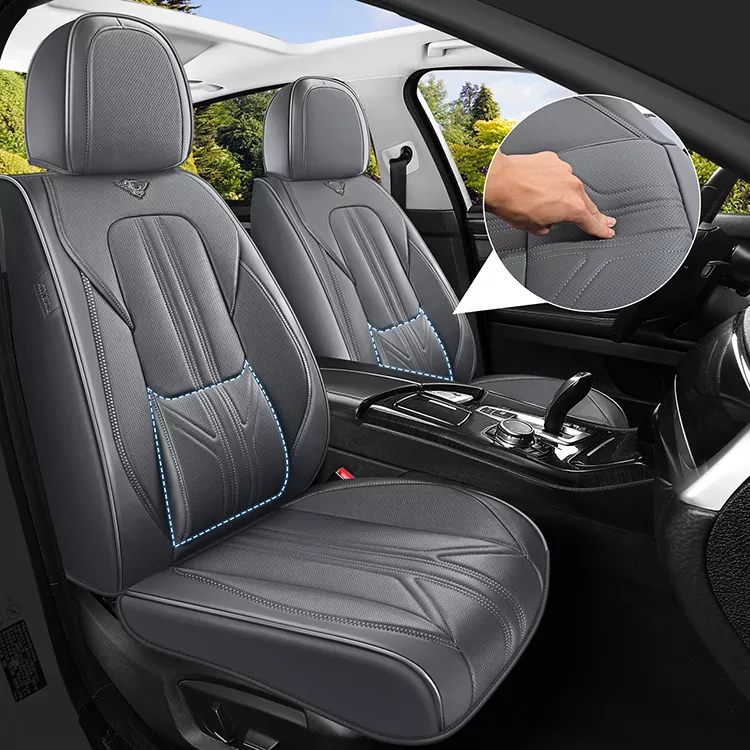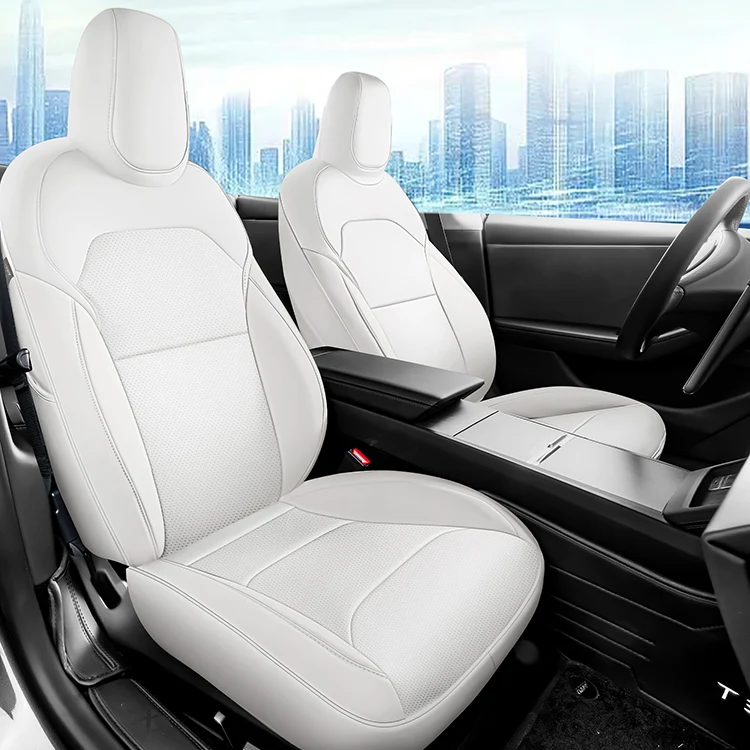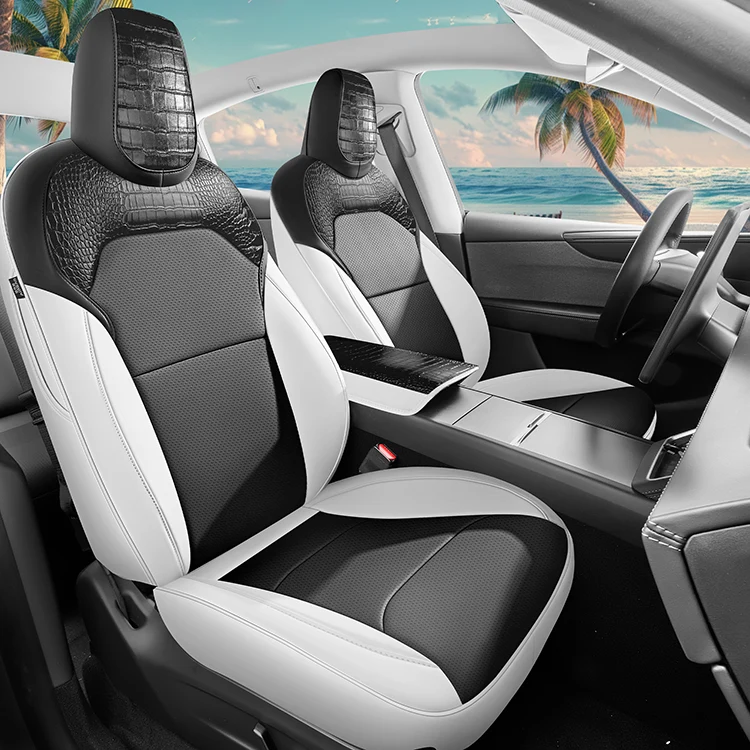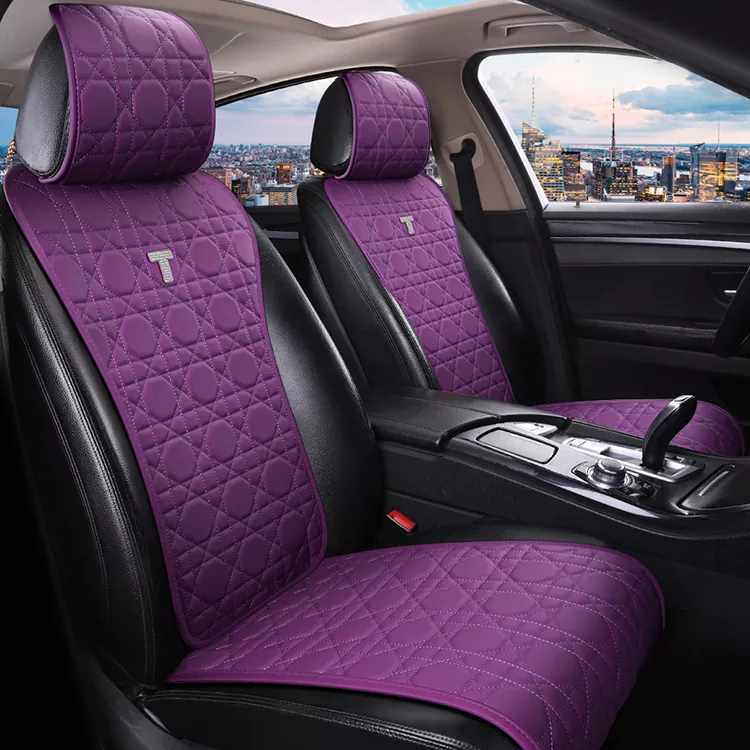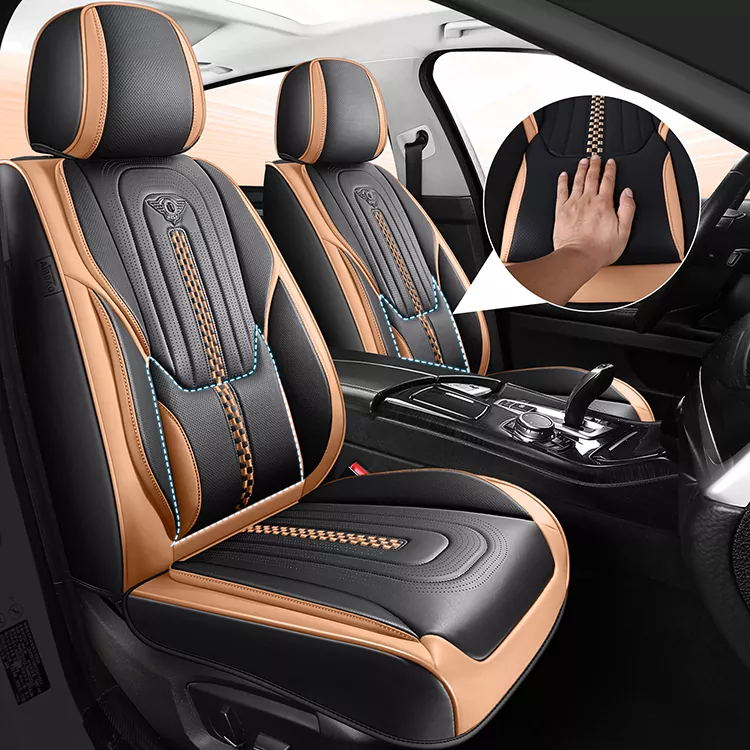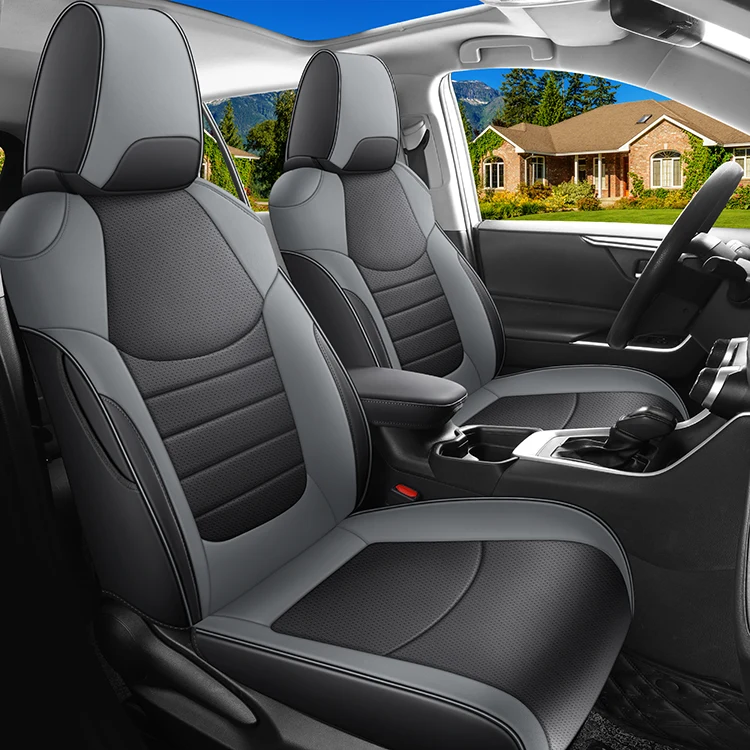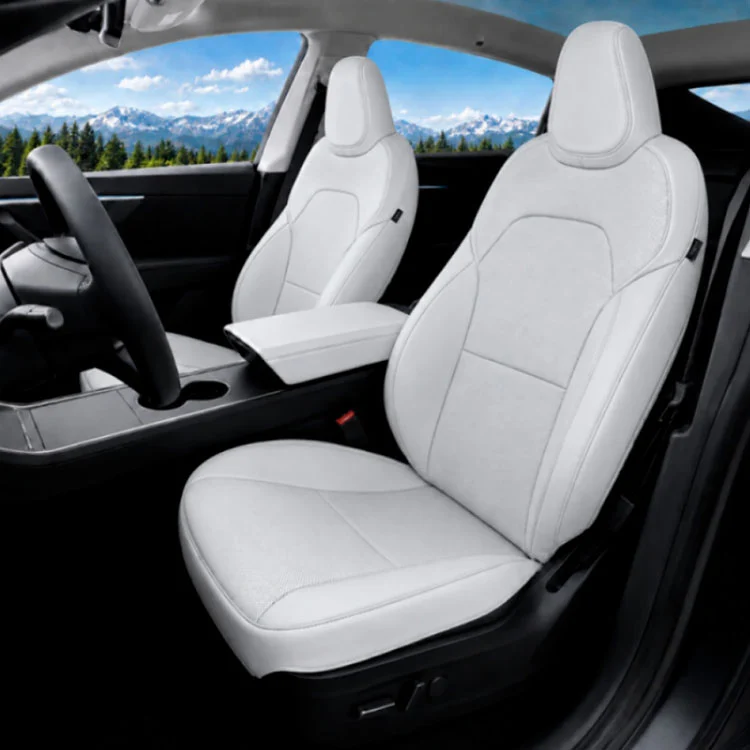
Red Rain offers Leather Car Seat Covers with Lumbar Support designed to combine ergonomic cushioning, practical seat protection, and a refined interior appearance. Featuring a faux leather surface, a 3D lumbar support system, and multi-layer padding, these covers provide a practical upgrade for daily commuting, family travel, and long-distance driving.
Choosing the right car seat covers involves more than improving the appearance of a vehicle. Drivers also need comfortable seating, durable materials, convenient maintenance, and compatibility with their original seats. Leather-style covers with integrated lumbar cushioning address several of these priorities in one product. This guide explains their construction, key benefits, fitment considerations, installation requirements, and maintenance practices. It also provides a comparison table and practical purchasing advice for individual drivers, automotive accessory retailers, distributors, and private-label businesses evaluating seat-cover solutions.
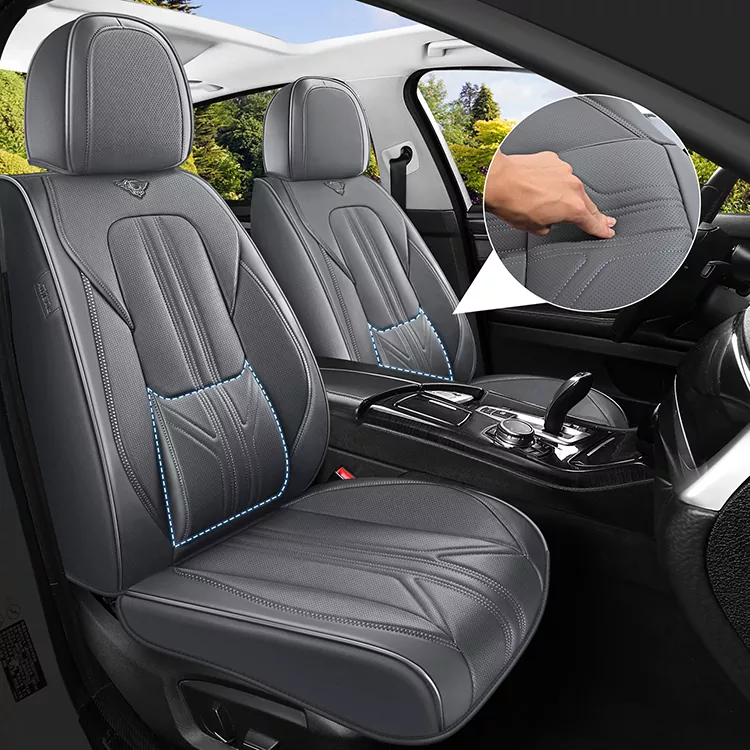
Drivers spend different amounts of time behind the wheel, but even a routine commute can become uncomfortable when a seat does not adequately support the lower back. Long-distance drivers, sales professionals, delivery personnel, and frequent travelers may be particularly aware of pressure and fatigue caused by prolonged sitting.
Lumbar support helps fill the space between the lower back and the seat, encouraging a more supported sitting position. An integrated cushioning area can provide additional contact and help reduce the feeling of unsupported space behind the waist. However, the ideal amount of support varies by individual, seat shape, body proportions, and driving posture.
Unlike a separate lumbar pillow that may shift during use, a cover with built-in lumbar cushioning incorporates the support area into its overall construction. This creates a coordinated seating surface while combining comfort-oriented design with protection for the original upholstery.
Seat covers are comfort accessories, not medical devices. They cannot guarantee pain relief or replace professional advice when persistent back discomfort is present.
A well-designed seat cover should balance support, fit, material performance, and everyday usability. Red Rain's product concept combines several of these elements in a single aftermarket accessory.
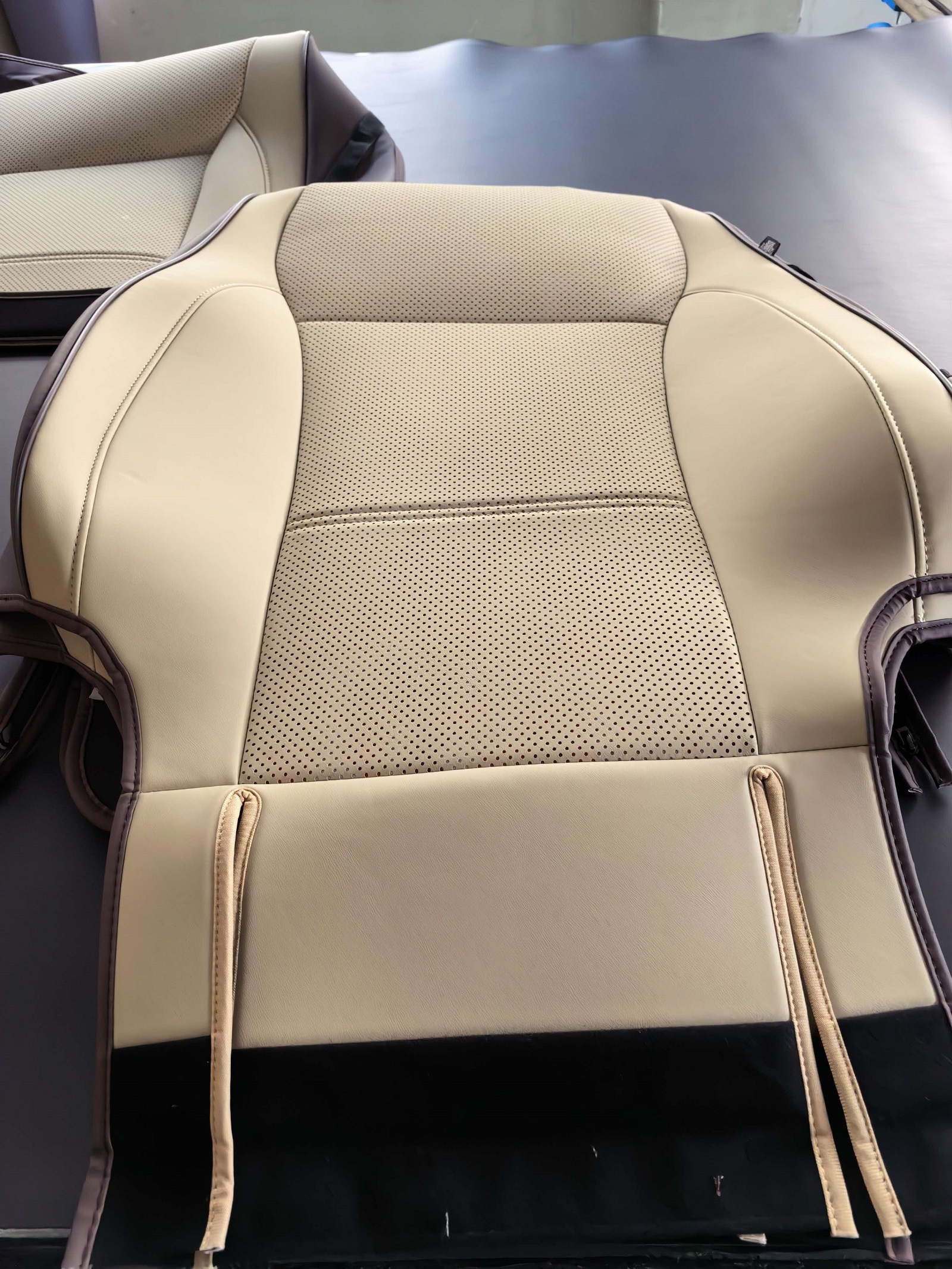
A shaped lumbar section creates a more contoured seating profile than a completely flat cover. Its purpose is to provide additional cushioning around the lower back while maintaining a consistent appearance across the front seat. Buyers should evaluate the contour and firmness to determine whether the support suits their intended users.
Faux leather offers a leather-like finish without requiring genuine animal leather. Its smooth surface can simplify routine cleaning and help protect the original upholstery from everyday dirt, light spills, and friction. Actual water resistance, scratch resistance, and wear performance depend on the material formulation and manufacturing quality.
Layered construction combines the visible surface with cushioning and supporting materials. The different layers can contribute to comfort, shape retention, and stability when the cover is installed correctly. The quality of the finished product depends on the materials, stitching, bonding, and assembly used throughout the structure.
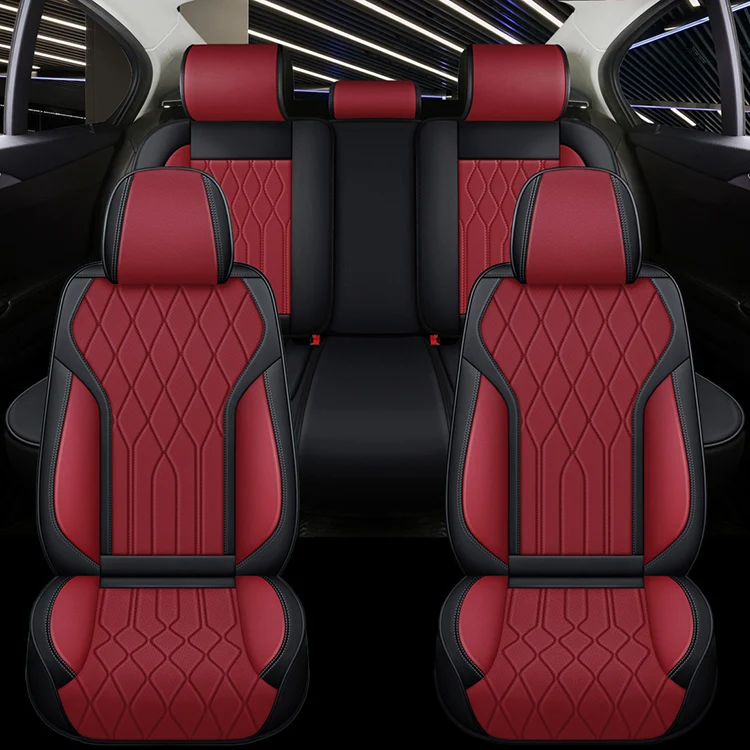
Leather-style surfaces and structured panel designs can give a vehicle cabin a more coordinated appearance. For drivers who want to refresh their interior without replacing the original seats, a compatible cover offers a less extensive alternative to upholstery replacement.
Explore Red Rain's leather car seat covers with lumbar support to review the product concept and discuss suitable configurations.
Material selection influences the feel, appearance, maintenance requirements, and service life of a seat cover. A premium-looking surface alone does not determine overall quality; the internal padding and backing also matter.
Faux leather is commonly selected for automotive interiors because it offers a consistent appearance and is generally straightforward to wipe clean. Multi-layer padding can add cushioning, while a suitable backing helps the cover sit against the original seat. Stitching and fastening components also influence how well the product maintains its intended shape during everyday use.
Before purchasing, consider the following material characteristics:
Faux leather may feel warmer than some fabric materials in hot weather. Perforation, surface texture, and construction can affect the seating experience, but they do not automatically guarantee breathability or compatibility with every climate-control system.
The best seat-cover material depends on driving habits, budget, desired appearance, and maintenance expectations. The following table summarizes common options to help buyers narrow their choices.
| Comparison Factor | Faux Leather Covers with Lumbar Support | Fabric Seat Covers | Separate Lumbar Cushion |
|---|---|---|---|
| Lower-back support | Integrated cushioning, depending on design | Depends on the seat-cover construction | Adjustable by repositioning |
| Interior appearance | Structured, leather-like finish | Textile appearance with varied textures | Depends on the original seat and cushion |
| Routine cleaning | Usually easy to wipe clean | May require more attention to embedded dirt | Depends on the cushion cover |
| Installation | Requires correct cover positioning and fastening | Depends on the cover design | Usually simple to position |
| Best suited for | Drivers seeking combined seat protection and integrated cushioning | Drivers who prefer a textile surface | Users who want a separate, movable support accessory |
These are general comparisons rather than universal performance ratings. Actual comfort, durability, and ease of installation depend on the individual product and vehicle.
Universal-fit seat covers are designed to accommodate a range of vehicles, but no single design necessarily fits every seat. Seat width, backrest shape, headrest structure, rear-seat split configuration, and integrated controls can all affect compatibility.
Before ordering, use this checklist:
Airbag safety deserves particular attention. Never cover, obstruct, or modify an airbag deployment area. Use only a cover specifically designed and confirmed as compatible with the vehicle's side-airbag system. A universal-fit label alone is not proof of compatibility.
For a more tailored alternative, buyers can also explore Red Rain's automotive seat-cover range and ask about available universal-fit or custom-fit options.
Correct installation helps the cover remain properly positioned and preserves access to essential seat functions. Always follow the instructions supplied with the specific product rather than relying solely on a generic installation method.
Always test cleaning products on a discreet area first and follow the manufacturer's care recommendations.
Individual drivers and commercial buyers often evaluate different priorities. Retail customers typically focus on comfort, appearance, and fit, while distributors and automotive accessory brands may also consider customization, packaging, and supply consistency.
| Buyer Priority | What to Verify |
|---|---|
| Comfort | Lumbar contour, padding firmness, and seating position |
| Fitment | Vehicle dimensions, seat configuration, and safety clearances |
| Durability | Surface material, stitching, backing, and fastening quality |
| Wholesale purchasing | Minimum order quantity, sample availability, and lead time |
| Private-label projects | Color options, logo placement, packaging, and customization scope |
Red Rain supports automotive accessory buyers with product development and customization options. For OEM or private-label projects, buyers should confirm specifications, sample approval, order quantities, packaging requirements, and delivery schedules before placing a production order.
They combine a leather-like surface, seat protection, and integrated lower-back cushioning. Depending on the design and individual preferences, they can improve seating comfort while refreshing the vehicle interior.
The Red Rain product described on the referenced page features a faux leather surface. Buyers should confirm the precise material composition and available specifications before ordering.
No. Universal designs accommodate a range of vehicles, but seat dimensions, headrests, rear-seat layouts, and integrated functions vary. Confirm fitment against the specific vehicle before purchasing.
They may provide additional cushioning for extended sitting. Comfort varies between individuals, so the support shape and firmness should suit the driver's posture. They are not a substitute for appropriate driving breaks or medical advice.
Only when the cover is specifically designed and confirmed as compatible with the vehicle's side-airbag system. Follow the vehicle manufacturer's requirements and never cut or modify an airbag deployment area.
Red Rain supports customization and OEM/ODM projects for automotive interior accessories. Buyers can discuss available materials, colors, patterns, branding, and packaging based on project requirements.
Routine cleaning generally involves wiping the surface with a soft, lightly damp cloth and allowing it to dry naturally. Follow the product's care instructions and avoid harsh chemicals that may damage the material.
Choosing the right seat cover means balancing comfort, appearance, durability, and vehicle compatibility. A well-designed product with integrated lumbar cushioning and layered padding can be a practical option for drivers who want additional seating support and everyday upholstery protection without replacing their original seats. Careful fitment checks and correct installation remain essential, particularly around airbags and other safety-related components.
Whether you are upgrading a personal vehicle or sourcing automotive accessories for retail and distribution, Red Rain can help you evaluate suitable product configurations. Visit the product page to review the available design, or contact us to discuss vehicle compatibility, sample evaluation, customization, and wholesale requirements. Share your target market and purchasing specifications to identify a solution that fits your business needs.