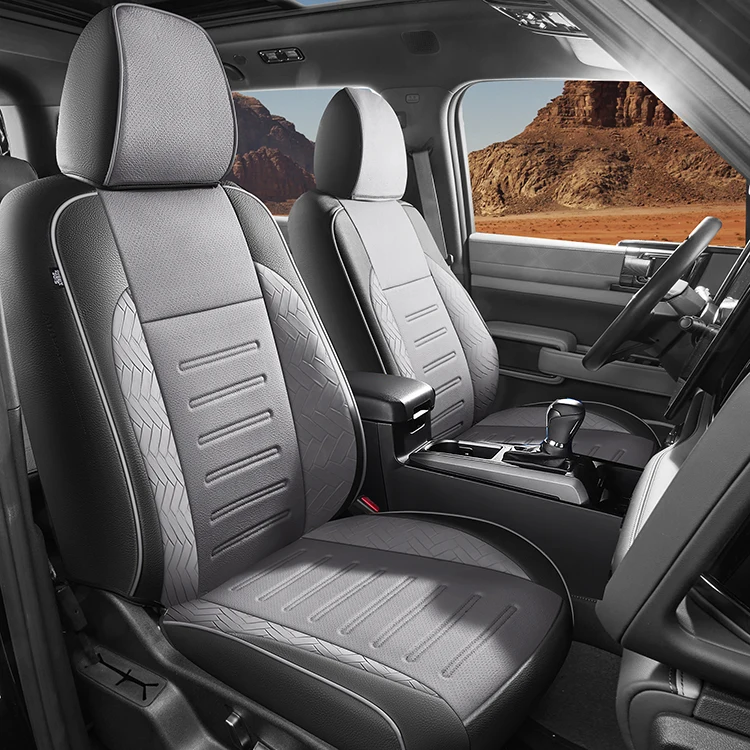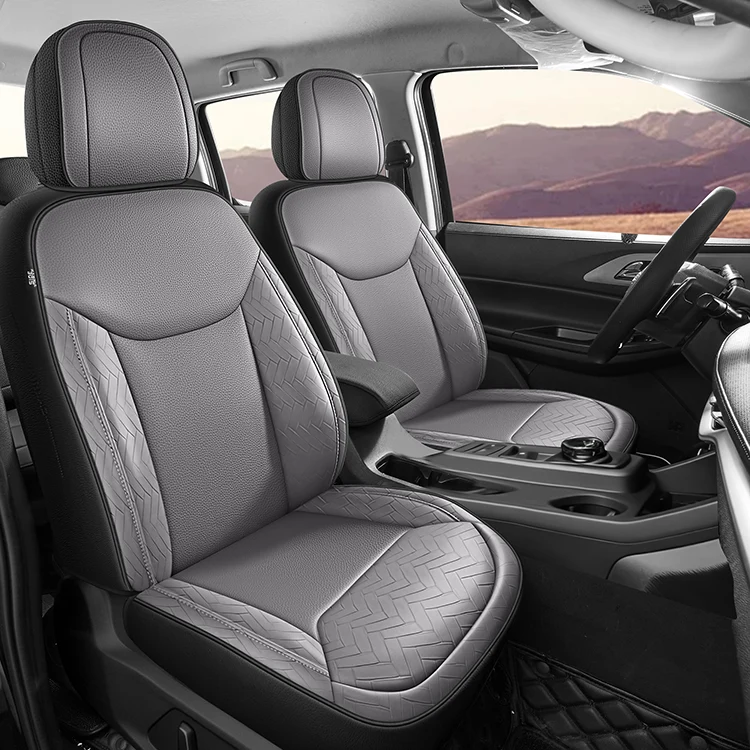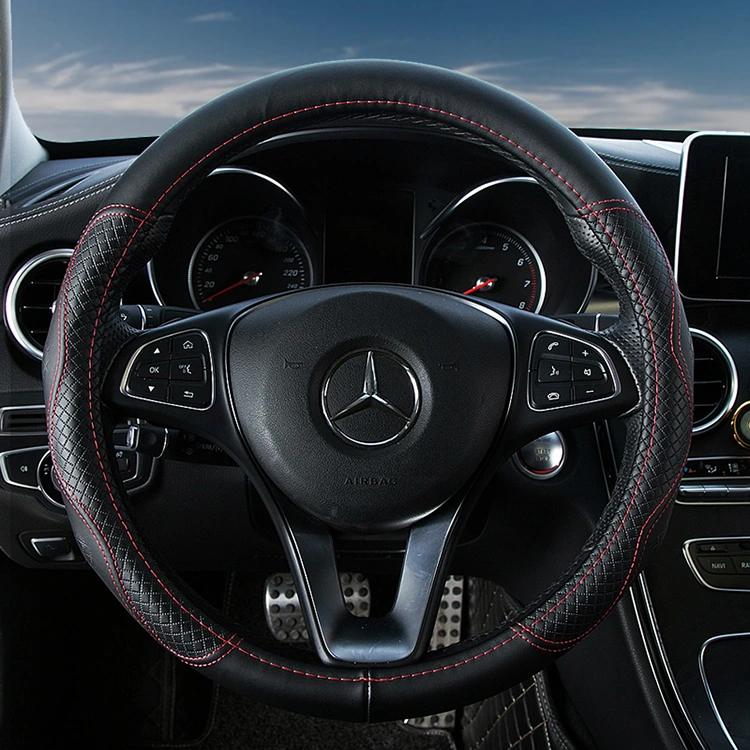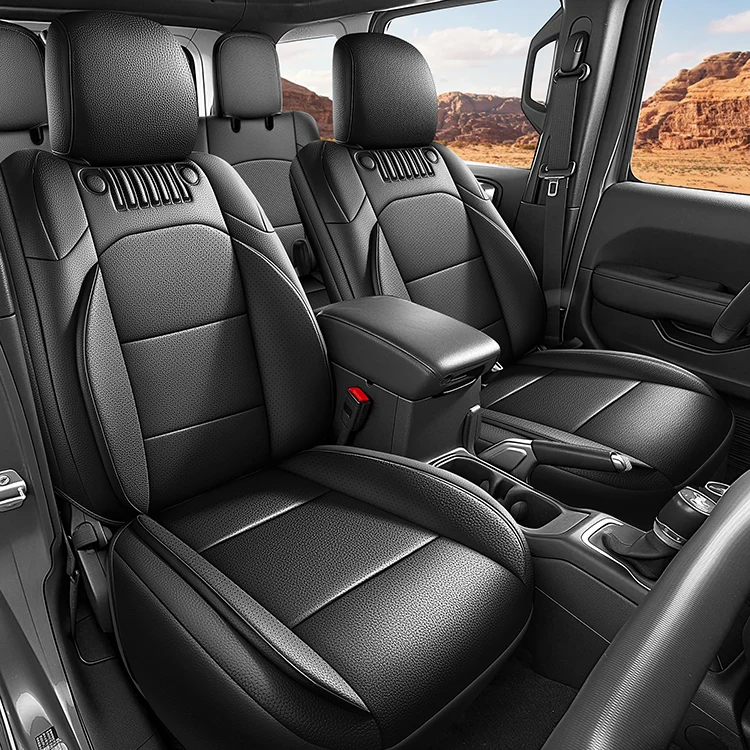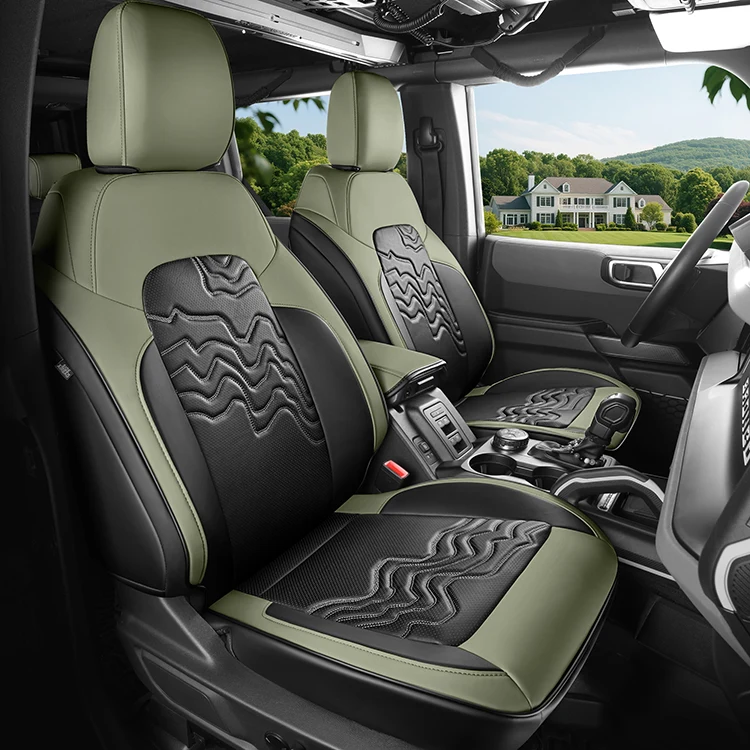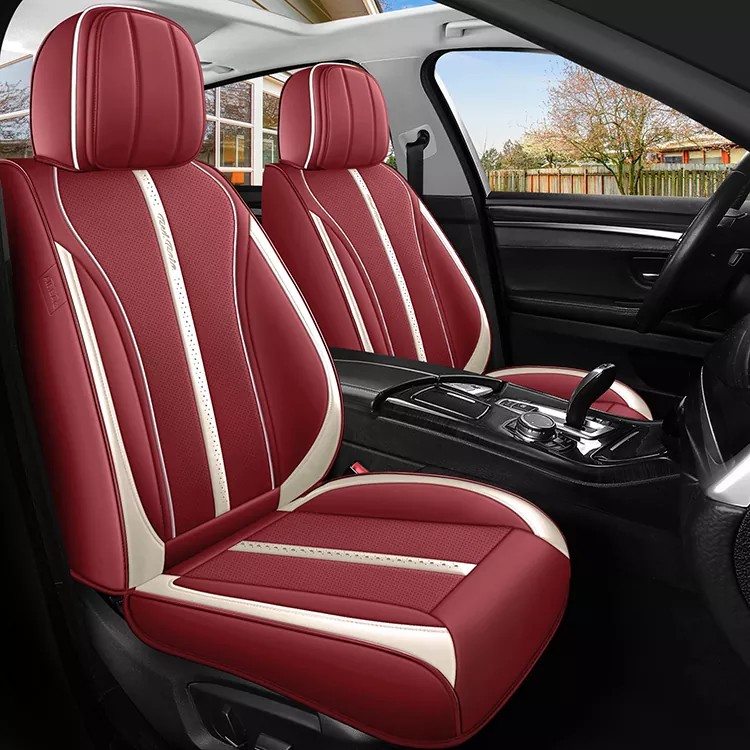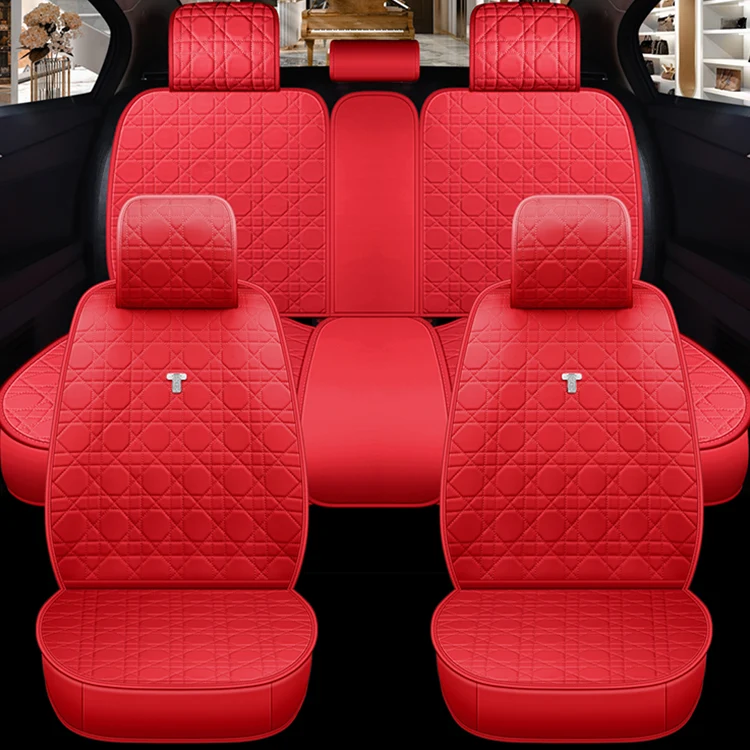
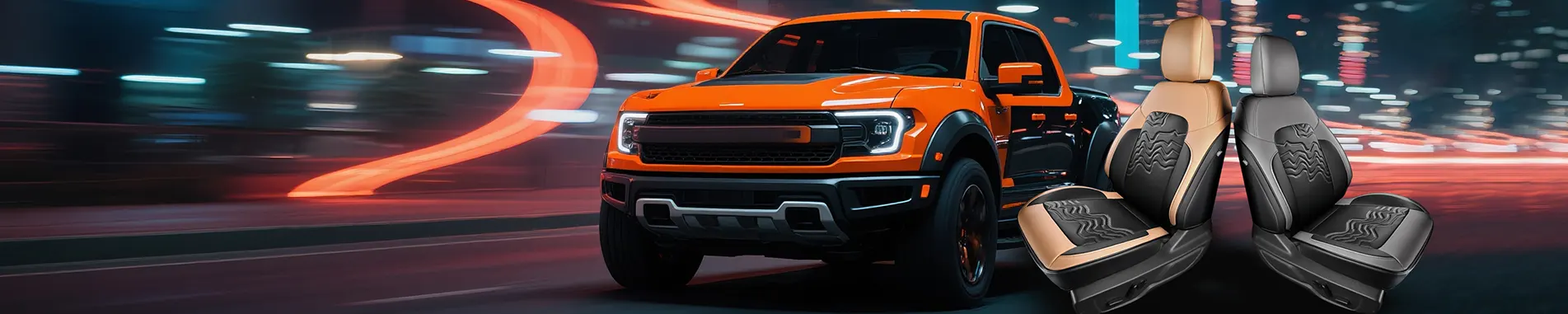
A Tundra is often expected to handle far more than an ordinary daily commute. Work equipment, outdoor activities, pets, children, changing weather, and frequent entry and exit can all put significant stress on the original seats. A properly selected Tundra Car Seat Cover can help protect upholstery, improve everyday comfort, simplify cleaning, and extend the useful appearance of the vehicle interior. This guide explains how to choose, install, maintain, and use a seat cover effectively while avoiding common purchasing mistakes.

Article Summary
Choosing a Tundra Car Seat Cover is not simply a matter of selecting an attractive pattern. The right cover needs to match the vehicle's seat configuration, intended use, climate, cleaning requirements, and desired level of protection. Drivers who regularly work outdoors may prioritize abrasion resistance and water resistance, while families may need easy-clean surfaces and protection from spills. Long-distance drivers may place greater emphasis on breathability, softness, and ergonomic fit. By considering these factors before purchase, Tundra owners can reduce upholstery wear and create a more practical interior for daily use.
Table of Contents
- Why Is a Tundra Car Seat Cover Important?
- What Problems Can a Seat Cover Solve?
- Which Materials Work Best?
- Which Features Should You Look For?
- How Does Proper Fit Affect Performance?
- How Can You Install a Tundra Car Seat Cover Correctly?
- How Should You Clean and Maintain It?
- Which Seat Cover Type Fits Different Driving Needs?
- What Common Buying Mistakes Should You Avoid?
- Why Consider Red Rain?
- Frequently Asked Questions
- Final Considerations
Article Outline
- Understand why seat protection matters for a frequently used pickup.
- Identify the most common interior protection problems.
- Compare practical seat-cover materials and their applications.
- Evaluate fit, protection, comfort, and installation.
- Build a simple maintenance routine for long-term use.
- Avoid compatibility and purchasing mistakes.
- Choose a solution that matches actual driving conditions.
Why Is a Tundra Car Seat Cover Important?
Pickup trucks frequently experience demanding operating conditions. A Toyota Tundra may be used for commuting during the week and outdoor activities, construction work, hauling, camping, or recreational travel on the weekend. These different environments expose the interior to dust, mud, moisture, food, sweat, pet hair, sharp objects, and repeated friction.
The original upholstery is designed for normal vehicle use, but it can still accumulate stains and wear over time. Replacing or professionally restoring damaged upholstery can be expensive. A well-designed Tundra Car Seat Cover creates a practical protective layer between the driver or passengers and the original seat surface.
Protection is only one benefit. A quality cover can also make cleaning easier and allow owners to change the interior appearance without permanently modifying the vehicle. For people who use their Tundra heavily, this combination of protection, convenience, and personalization can make a noticeable difference.
What Problems Can a Seat Cover Solve?
Before choosing a cover, it is useful to identify the actual problem you want to solve. Different driving conditions create different forms of seat damage.
| Common Problem | Typical Cause | Useful Seat-Cover Feature |
|---|---|---|
| Staining | Food, drinks, mud, grease | Easy-clean or water-resistant surface |
| Surface abrasion | Frequent entry and exit | Durable fabric and reinforced areas |
| Pet hair | Dogs and other pets traveling in the cabin | Smooth, easy-to-vacuum material |
| Moisture exposure | Rain, wet clothing, outdoor equipment | Water-resistant construction |
| Heat discomfort | Hot weather and direct sunlight | Breathable or temperature-conscious material |
The important point is that no single feature solves every problem. A heavy-duty waterproof cover may be excellent for muddy work environments but less comfortable for someone who spends several hours driving every day. Conversely, a soft fabric cover may provide excellent comfort but require more attention when exposed to liquids or grease.
Which Materials Work Best?
Material selection has a direct influence on durability, comfort, appearance, and maintenance. Rather than choosing a material based solely on its appearance, consider the environment in which the Tundra is used.
Material considerations
- Durable fabric: A practical choice for everyday use when comfort and resistance to normal wear are both important.
- Water-resistant materials: Useful for outdoor users who frequently encounter rain, snow, wet clothing, or damp equipment.
- Neoprene-style materials: Often selected when users want a balance between protection, flexibility, and a close-fitting appearance.
- Leather or synthetic leather: Suitable for drivers who prioritize a premium appearance and convenient surface cleaning.
- Heavy-duty textiles: Appropriate for demanding work environments where abrasion resistance is a major concern.
Material thickness should also be considered carefully. More material does not automatically mean better performance. Excessively thick construction can interfere with seat contours, installation, ventilation, or everyday comfort. A well-engineered cover should provide sufficient protection without unnecessarily changing the seating position.
Which Features Should You Look For?
A reliable Tundra Car Seat Cover should be evaluated as a complete system rather than as a piece of fabric. Construction details can have a major effect on everyday usability.
- Vehicle compatibility: Confirm the cover is designed for the correct Tundra generation, seating configuration, and row.
- Secure attachment: Straps, buckles, hooks, or other fastening systems should keep the cover stable during normal driving.
- Seat contour: A cover should follow the basic shape of the original seat rather than bunching excessively.
- Access to controls: The installation should not obstruct seat controls or other important functions.
- Cleaning convenience: Consider whether the material can be wiped, vacuumed, washed, or otherwise maintained easily.
- Durability: Seams and high-contact areas should be able to withstand repeated use.
- Comfort: The surface should remain comfortable during both short trips and extended driving.
- Appearance: The design should complement the vehicle interior instead of looking loose or poorly fitted.
Safety-related compatibility deserves particular attention. Seat covers should not interfere with systems integrated into the seats. Buyers should check the vehicle manufacturer's requirements and the cover manufacturer's compatibility information, particularly where seat-mounted safety equipment is involved.
How Does Proper Fit Affect Performance?
Fit is one of the most important factors separating a practical seat cover from an inconvenient one. A loose cover can move whenever the driver enters or exits the truck. Over time, constant movement may create wrinkles, expose parts of the original upholstery, and make the interior look untidy.
An excessively tight cover can create a different problem. If the material is stretched beyond its intended range, seams and attachment points may experience unnecessary stress. Installation may also become difficult.
Before ordering, verify the vehicle model year, cab configuration, front-seat arrangement, rear-seat configuration, headrest design, and other relevant dimensions. Product photographs alone are not sufficient to confirm compatibility.
Keep your vehicle information available when purchasing. A few minutes spent checking compatibility can prevent the much larger inconvenience of installing a cover that does not fit correctly.
How Can You Install a Tundra Car Seat Cover Correctly?
Correct installation is essential for both appearance and daily usability. Even a well-designed cover can perform poorly when installed incorrectly.
- Remove unnecessary objects from the seat and surrounding floor area.
- Read the manufacturer's installation instructions before attaching anything.
- Identify the front, rear, left, and right sections of the cover.
- Position the main seat section evenly over the cushion.
- Align the backrest section with the original seat contours.
- Route straps or attachment components according to the instructions.
- Secure the fastening points without excessively stretching the material.
- Check the headrest area and all accessible seat controls.
- Move the seat through its normal adjustment range and inspect for interference.
- Perform a final visual and physical check before driving.
Installation should result in an even surface with minimal bunching. If the cover repeatedly shifts after installation, stop and determine whether the problem is incorrect positioning, incompatible sizing, or insufficient fastening.
How Should You Clean and Maintain It?
Regular maintenance can significantly improve the useful life and appearance of a Tundra Car Seat Cover. The exact cleaning method depends on the material, so the manufacturer's care instructions should always take priority.
- Remove loose dirt and dust regularly with a vacuum or suitable brush.
- Deal with liquid spills as soon as practical instead of allowing them to remain on the surface.
- Use cleaning products appropriate for the specific material.
- Avoid aggressive chemicals unless the manufacturer specifically permits them.
- Inspect seams, straps, hooks, and fastening points periodically.
- Allow washable covers to dry completely before reinstalling them.
- Check for excessive wear in areas that receive frequent contact.
Maintenance is especially important for work trucks. Dirt and fine abrasive particles can accumulate between the cover and the original upholstery. Periodically removing the cover and cleaning both surfaces helps prevent unnecessary friction and trapped debris.
Which Seat Cover Type Fits Different Driving Needs?
There is no universal best cover for every Tundra owner. The right choice depends on how the truck is used.
| Driving Situation | Priority | Recommended Characteristics |
|---|---|---|
| Daily commuting | Comfort and appearance | Close fit, breathable surface, easy maintenance |
| Construction or industrial work | Durability | Heavy-duty construction and abrasion resistance |
| Camping and outdoor use | Moisture and dirt protection | Water-resistant, easy-clean materials |
| Family transportation | Easy cleaning | Stain-resistant surface and practical installation |
| Pet transportation | Hair and dirt management | Durable, easy-to-clean material |
This comparison illustrates why purchase decisions should begin with the vehicle owner's actual routine. A cover that is ideal for one Tundra may not be the most practical solution for another.
What Common Buying Mistakes Should You Avoid?
Many seat-cover problems can be avoided before the product even arrives. The following mistakes are particularly common.
- Choosing appearance over compatibility: An attractive design is not useful if the cover does not fit the seat.
- Ignoring the vehicle configuration: Different model years and seating arrangements may require different designs.
- Buying based only on material thickness: Thick construction does not automatically provide better comfort or durability.
- Overlooking installation: A difficult attachment system can become frustrating when the cover needs to be removed for cleaning.
- Failing to consider climate: Hot and humid environments may require different material characteristics than cold or wet regions.
- Ignoring cleaning requirements: A cover that is difficult to clean may become impractical in a high-use truck.
- Not checking safety compatibility: Seat-mounted vehicle safety systems require careful consideration when adding aftermarket accessories.
The best purchasing decision balances protection, comfort, fit, maintenance, durability, and compatibility. Treat the seat cover as a functional component of the vehicle interior rather than merely an accessory.
Why Consider Red Rain?
Red Rain focuses on practical automotive products designed around everyday vehicle-use requirements. When selecting a Tundra Car Seat Cover, customers need more than a visually appealing product. They need a solution that can match their vehicle configuration, withstand the conditions of daily use, and remain convenient to maintain.
A thoughtful seat-cover solution should combine appropriate materials, reliable construction, secure installation, and a design that complements the vehicle interior. For customers comparing different options, discussing the intended application with the supplier can help identify the most suitable configuration rather than relying only on photographs or general descriptions.
Red Rain product selection
Whether the Tundra is used for commuting, family transportation, outdoor recreation, or demanding work, Red Rain can help customers evaluate the practical requirements of a Tundra Car Seat Cover and select a solution based on actual usage conditions.
Frequently Asked Questions
FAQ 1
Q1: What is the main purpose of a Tundra Car Seat Cover?
The main purpose is to provide a protective layer over the original seat upholstery. Depending on its material and construction, a cover can help reduce exposure to dirt, stains, moisture, abrasion, pet hair, and everyday wear while also changing the appearance or comfort characteristics of the interior.
Q2: How do I know whether a Tundra Car Seat Cover will fit my vehicle?
Check the cover's compatibility information against your Tundra's model year, cab configuration, seating arrangement, headrest design, and other relevant specifications. Do not assume that every Tundra uses exactly the same seat-cover dimensions.
Q3: Is a waterproof seat cover always the best choice?
Not necessarily. Waterproofing can be highly useful for outdoor activities, wet clothing, and work environments, but a driver who spends many hours inside the truck may place greater importance on breathability and comfort. The best material depends on the vehicle's actual operating conditions.
Q4: Can a seat cover help preserve the original upholstery?
Yes. By creating a barrier between the upholstery and common sources of dirt, spills, friction, and wear, a properly fitted cover can reduce direct exposure of the original seat surface. Its effectiveness depends on the cover's design, installation, and the conditions in which it is used.
Q5: How often should I clean a Tundra Car Seat Cover?
Cleaning frequency should reflect usage. A frequently used work truck may need regular vacuuming and spot cleaning, while a lightly used vehicle may require less frequent maintenance. Always follow the care instructions provided for the specific material.
Q6: Can I install a Tundra Car Seat Cover myself?
Many seat covers are designed for owner installation. The process generally involves positioning the cover, aligning the seat sections, and securing straps or fastening components. However, installation should always follow the manufacturer's instructions, and the finished cover should not interfere with seat operation or vehicle safety systems.
Q7: What should I prioritize if I use my Tundra for work?
Durability, abrasion resistance, easy cleaning, secure attachment, and appropriate protection from dirt and moisture are generally important for demanding work environments. Comfort should not be ignored if the vehicle is driven for long periods.
Q8: What should I consider when choosing between different Tundra seat covers?
Compare compatibility, material, fit, protection level, installation method, cleaning requirements, comfort, durability, appearance, and the type of driving you normally do. A balanced evaluation is more reliable than selecting based solely on price or appearance.
Final Considerations
A Tundra Car Seat Cover can be a simple upgrade, but choosing the right one requires careful consideration. The most suitable product should match the vehicle configuration and solve the specific problems created by the owner's driving environment. Drivers who deal with mud and moisture may need stronger water resistance, while commuters may value comfort and a refined appearance. Families and pet owners may prioritize easy cleaning, whereas work-truck users may need enhanced durability and abrasion resistance.
Proper fit is equally important. A cover that remains stable, follows the seat contours, and allows normal vehicle functions to operate as intended will provide a much better ownership experience than a loose or incompatible alternative. Regular cleaning and inspection can further extend the service life of the cover.
By evaluating material, construction, compatibility, comfort, protection, and maintenance together, Tundra owners can make a more informed decision and keep their vehicle interior looking cleaner and better protected for longer. Red Rain is ready to help customers explore suitable Tundra Car Seat Cover solutions based on their specific requirements. If you are looking for a practical solution for your Tundra, contact us today to discuss your needs and find the right seat-cover option for your vehicle.
Red Rain — Tundra Car Seat Cover Solutions
Protect your seats, simplify maintenance, and improve your driving experience with a solution matched to your vehicle and daily use. Contact us for more information.